

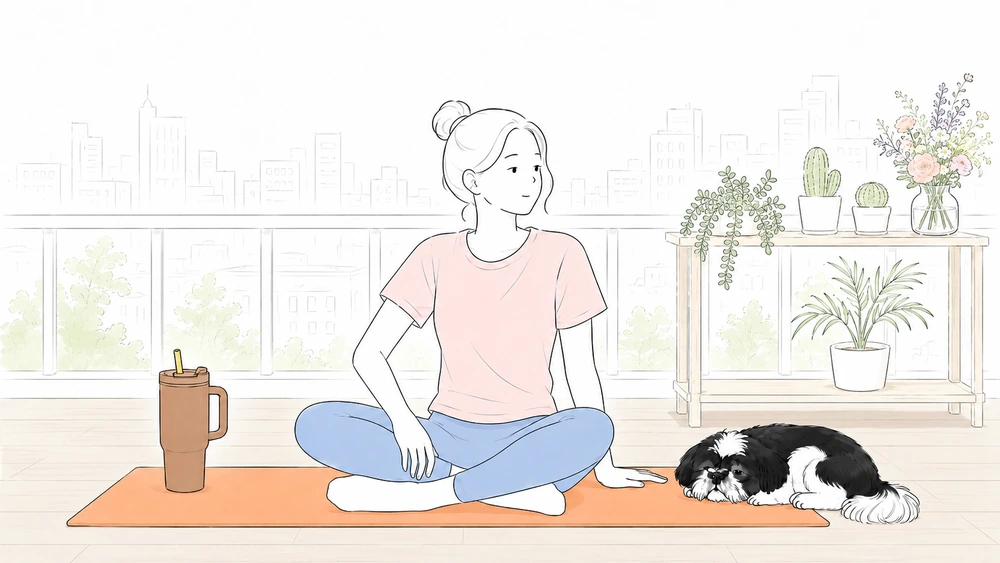
After a long working week, I rarely want another routine to follow.
I do not feel motivated by a list of wellness tasks, a difficult workout, or the idea that I need to make up for everything I did not manage during the week. Usually, I am looking for the opposite. I want fewer decisions, less pressure, and a little space to come back to myself.
I notice that I need this most when my energy feels low, my eyes are dry after too much screen time, or my mind is still moving through unfinished thoughts from work. Sometimes my shoulders and legs simply feel tired from the week.
When I think about how to reset after a long work week, I am not talking about detoxing or trying to fix my body. For me, it is much more ordinary than that. It is about resting, eating something easy, drinking water, moving a little if I feel like it, and creating some distance between work and the weekend.
I Start by Taking the Pressure Off
My first instinct is not always to rest.
I tend to overthink, so even when I am tired, I can immediately start running through the errands I still need to finish. Groceries, laundry, things around the house, plans for the next day. Suddenly, Friday evening can start feeling like an extension of the working week.
I have learned that it helps to remove a few small sources of pressure before they start bothering me.
Sometimes I stop for groceries on the way home and pick up only what I know I will want the next morning, such as milk, fresh bread, yogurt, or something easy for breakfast. It is not a big weekly shop. I simply like knowing I will not wake up on Saturday feeling that I immediately need to go somewhere.
I may also put a few things back where they belong, prepare fresh towels, or change the bedsheets if I have the energy. I do not turn Friday into a cleaning evening. I only do the things that will make the next morning feel easier. If you are looking for more ideas, I have also written about small, simple ways to make your home feel cozy.
For me, that distinction matters. Preparing a calmer weekend is useful. Trying to complete an entire reset checklist when I am already tired usually has the opposite effect.
I Help Myself Come Out of Work Mode
Work can stay in my head long after I close the laptop.
An unfinished email, a message I forgot to answer, or something I need to remember for Monday can keep me mentally attached to the week. Because of that, I like having a few practical ways to mark the change from work time to personal time.
On Friday, the first thing I need to do is take care of my dog. I take him for a walk and spend some time with him, even if I am very tired. That part of my evening does not really change.
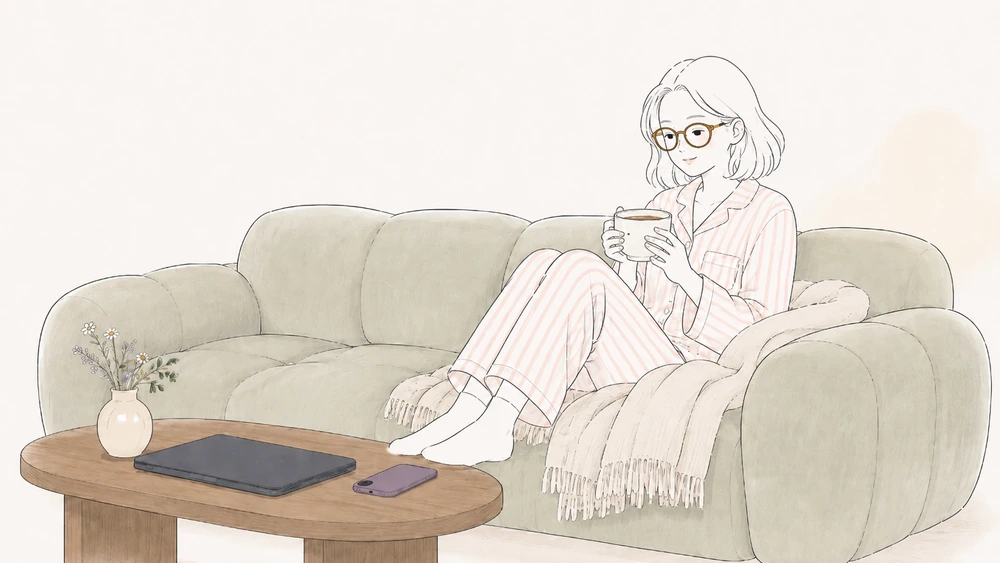
Afterwards, I usually want things to become much quieter. I eat something without making a big event of dinner, take a shower, change into pajamas, and stay comfortable for the rest of the evening.
In winter especially, I love getting under a soft blanket on the sofa with tea beside me and putting something on TV. It is a very ordinary Friday evening, but that is often exactly what I want after a demanding week.
I also take off my jewelry, remove my makeup, and stop wearing anything that feels restrictive. If my contact lenses are starting to bother me, I switch to glasses. If my hair is annoying me, I put it up and forget about it.
Work notifications are another part of this transition.
When I am off and I am not expected to be available, I try not to keep checking email from my full-time job. I know myself well enough to notice what happens when I do. One message can make me start thinking about Monday, imagining what needs to happen, and mentally returning to work before the weekend has really begun.
When I catch myself doing that, I switch the notifications off again and bring my attention back to where I actually am.
That does not mean I avoid anything productive at weekends. Sometimes I genuinely enjoy spending time on creative work or a personal project. It feels very different from checking work messages that pull my mind back toward Monday. For me, the difference is whether the activity feels enjoyable and chosen, rather than something I feel I need to keep monitoring.
I Give Myself More Rest Before I Add More Plans
One thing I try to notice is whether I genuinely want to do something or whether I only feel uncomfortable doing nothing.
There is a difference.
Some weekends I have energy for errands, exercise, seeing someone, going for coffee, or working on something creative. Other weekends, I wake up and know quite quickly that I do not have much to give.
On those days, I reduce the optional things. I may postpone cleaning, skip exercise, or leave something around the house for another day instead of pushing myself to get through it.
If my energy is particularly low, I occasionally order food rather than cook. I may lie down, put on YouTube or Netflix, and do very little for a while.
I used to feel as though a free weekend meant I should make use of all that available time. Now I am more comfortable letting some of it stay empty.
I also try not to stay awake unnecessarily late when I already feel worn out. Monday usually feels easier when Sunday night has been quiet rather than stretched out simply because I did not want the weekend to end.
This is different from the everyday routines I use to make normal weeks feel more manageable. If you are looking for something more structured for ordinary days, I have also written about how to create a daily routine without making life complicated.
A weekend after a demanding week is more flexible. I may need movement, or I may need to lie on the sofa for an hour and leave the cleaning for another day.
A useful question for me is simply: what would make today feel less demanding?
The answer changes from week to week.
I Use Gentle Movement When It Feels Good
Movement often helps me feel less stiff after working, but I do not like using exercise as a punishment for missed gym sessions or plans that did not happen during the week.
If I feel up to moving, I keep it comfortable.
Stretching, Yoga or Pilates at Home
When I do want to move, I usually use the Down Dog app for a yoga or Pilates session at home.
I tend to choose a full-body practice with more emphasis on stretching. My back is often the area I most want to loosen up after the week, although I prefer moving through the whole body rather than focusing on one area for the entire session.
On a tired weekend, I might spend around 20 to 40 minutes on my mat. That is simply what sometimes works for me, not a duration I expect anyone else to follow.
I wear comfortable clothes, keep a water bottle nearby, and let the session stay fairly relaxed. If I lose concentration, feel too tired, or simply do not want to continue, I stop earlier.
And on very low-energy weekends, I may not exercise at all.
I have learned not to turn a missed workout into something I need to compensate for. Movement is one option in my weekend, not a requirement.
Slow Walks and Fresh Air
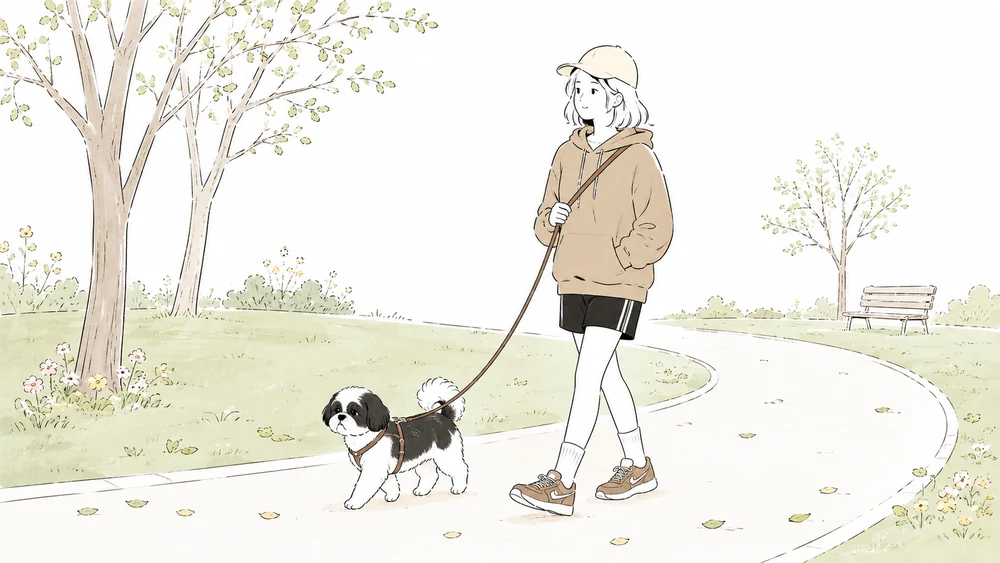
Walking is another kind of movement I come back to often.
I might walk quietly or listen to music. On other days, I stop for a coffee, meet a friend for a short catch-up, or simply take my dog outside and let the walk be the activity.
I especially like going to the park.
Morning and evening both have their own atmosphere, and I enjoy noticing small seasonal changes while we walk. New leaves, different light, flowers appearing or disappearing, or simply the way the air feels can pull my attention away from the week I have just had.
That time outside helps me feel more present in what is happening around me rather than staying inside my work thoughts.
I Keep Food and Water Simple
When I am tired, I prefer food that does not require too much planning or time in the kitchen.
I also prefer not to eat such a large meal that I feel uncomfortable afterwards, especially on an evening when all I really want to do is shower, put on pajamas, and relax.
One breakfast I make quite often is an open sandwich with cream cheese, eggs, tomatoes, and parsley. It is straightforward, uses ingredients I normally like having at home, and works well when I do not want to think too much about breakfast.
For dinner, seafood pasta with olive oil and garlic is another realistic option for me. It comes together quickly, which is usually more important to me on a tired weekend than making something elaborate.
And sometimes convenience wins.
If I am really low on energy, I may order food or make instant ramen. I do not think every meal has to look like a carefully planned wellness meal just because I am writing about taking care of myself. What matters to me in that moment is eating something and not creating another difficult task.
Drinks are quite ordinary too.
After breakfast, I often want an iced coffee or iced matcha. Sometimes I pick one up while I am already out in the morning. Other times, I make iced coffee with the coffee machine at home.
Water stays nearby during the day, especially if I am stretching, reading, doing a puzzle, or working on something at home. I find that keeping a bottle within reach works better for me than turning drinking water into another goal I need to track.
I Make Room for Something I Actually Enjoy
A demanding work week can keep the brain in problem-solving mode for hours at a time.
There is always another message to answer, decision to make, task to finish, or small detail to remember.
That is why I like having something in the weekend that exists only because I enjoy it.
For me, a puzzle works surprisingly well. It gives me something to focus on without making me feel responsible for an outcome.
Reading does something similar.
Sometimes I watch an episode of a series or a film. Sometimes I edit something creative because I genuinely want to, not because it belongs on a task list. I may go to a café, walk through the park, or meet a friend.
I do not need these activities to improve me.
They simply remind me that my attention can be used for something other than work.
What I Avoid When I Am Already Tired
When I am already drained, I try to notice which things are likely to leave me feeling even more depleted. I do not follow strict weekend rules, but there are a few patterns I have learned to pay attention to.
Forcing an Intense Workout
If my energy is very low, I usually leave the harder workout for another day. I may stretch, take a walk, or rest instead.
This is different from simply feeling a little unmotivated. For me, it is about not turning a missed gym session or Pilates class into something I need to make up for.
If you feel similarly tired, it may help to let movement stay flexible. A lighter option, or no workout at all, can be a reasonable choice when what you really want is rest.
Plans That Take More Energy Than They Give
I am also more selective about weekend plans when I feel drained.
Clothes shopping is one of the first things I postpone because busy shops, trying things on, and making lots of small decisions can quickly feel overwhelming. Crowded places are usually not very appealing either.
At the same time, I do not automatically avoid going out. I may still enjoy looking around IKEA or JYSK, or meeting a friend for a quick coffee. A shorter plan often suits me much better than a long dinner followed by another activity.
One useful question is whether a plan sounds genuinely enjoyable or whether it already feels tiring before you have even left home.
Letting Work Follow Me Into the Weekend
Work email is another thing I try to be careful with.
If I check a message and immediately start imagining Monday, I know I am mentally returning to work too early. When I am off and not expected to be available, I switch the notifications off again and leave it until I am back.
If work tends to follow you into your time off, a small boundary can help. That might mean turning off notifications, moving a work app away from your home screen, or simply deciding that you will not check it again until your working time begins.
Getting Pulled Into Short-Form Scrolling
Short videos can catch me in a different way.
I may open my phone for a few minutes and then realise I am no longer choosing what I want to watch. I am simply moving from one clip to the next and feeling as though I have been sucked into the screen.
When I notice that happening, I lock my phone and put it aside.
Usually I give myself a few quiet minutes before deciding what I actually want to do. Maybe I want to watch a proper episode of something, read, paint, step outside for a while, or simply continue resting.
That small interruption helps me make a conscious choice again instead of losing another hour without really enjoying it.
A Quiet Weekend Can Be Enough
I used to think a successful weekend reset should leave me completely prepared for the week ahead.
Now I care more about whether I feel less depleted by the time Monday arrives.
Sometimes that comes from stretching or walking. Sometimes it is a long bath, an ordinary dinner, clean clothes, a puzzle on the table, or an evening when I stop checking what everyone else is doing.
There are weekends when I do very little and weekends when I naturally feel like doing more.
Both can work.
After a demanding week, I would rather listen to my energy than turn recovery into another performance. I am not trying to become a new person before Monday morning. I just want to leave a little space between one busy week and the next.
Gentle Reminder
This article is based on personal experience and general lifestyle habits, not medical advice. If tiredness, pain, stress, or sleep difficulties continue, become severe, or affect your daily life, it is better to speak with a qualified healthcare professional.